

VAE emulsions are an important class of polymer dispersions used in water-based adhesives, paper and packaging, woodworking, flooring, automotive interiors, and other industrial applications. As a globally recognized chemical company, WACKER has long been engaged in the development and production of polymer dispersions and related polymer materials. Its VINNAPAS brand covers a broad range of polymer dispersions, dispersible polymer powders, and other related products.Among these products, VAE emulsions based on the copolymerization of vinyl acetate and ethylene represent an important part of the VINNAPAS product portfolio. The core value of VAE technology lies in the copolymerization of vinyl acetate and ethylene, which enables a balance between hardness, flexibility, adhesion, and processing performance, providing polymer binders for water-based adhesives and other industrial formulations.WACKER Chemie AG is a German chemical company whose business activities cover silicones, polymers, biotechnology, and other chemical materials. Its polymer business has long focused on vinyl acetate and related polymer systems, gradually developing a broad technology platform for polymer dispersions based on vinyl acetate and other monomers, including ethylene.According to publicly available information from WACKER, the company's polymer dispersion business can be traced back to the 1930s. Over the following decades, WACKER developed a range of polymer dispersions and related products based on vinyl acetate and other monomers. VINNAPAS is one of the company's important polymer materials brands.From a product-form perspective, VINNAPAS does not refer to a single VAE emulsion product. Instead, it covers multiple categories of polymer materials. Based on WACKER's publicly available product information, the portfolio includes polymer dispersions, dispersible polymer powders, solid resins, and related solutions. Therefore, when discussing VINNAPAS, it is important to distinguish between specific product grades, chemical compositions, physical forms, and application areas.In simple terms:WACKER is the company, VINNAPAS is the brand, and VAE emulsion is one of the important product and technology categories within the portfolio.VAE stands for Vinyl Acetate-Ethylene. In Chinese, it is commonly referred to as vinyl acetate-ethylene copolymer. VAE emulsions are generally water-based polymer dispersions produced from vinyl acetate and ethylene as the primary comonomers.WACKER's publicly available information indicates that VINNAPAS VAE dispersions are primarily based on vinyl acetate and ethylene as comonomers. The vinyl acetate component contributes to hardness, polarity, and adhesion, while the ethylene component helps improve the flexibility of the polymer. The final material properties depend on the copolymer composition, polymer structure, and specific formulation system.Therefore, VAE emulsion is not simply a conventional vinyl acetate emulsion. By introducing ethylene into the copolymer structure, manufacturers can modify the polymer properties and achieve different levels of flexibility and overall performance compared with traditional PVAc systems.The performance of VAE emulsions is closely related to their copolymer structure.Vinyl acetate has relatively strong polar characteristics, which can contribute to adhesion between the polymer and various substrates. Ethylene units, meanwhile, can reduce the rigidity of the polymer system and provide improved flexibility.WACKER's publicly available information indicates that VINNAPAS VAE dispersions can be used to formulate water-based adhesives with properties such as good adhesion, flexibility, fast setting, and processing performance. Certain products may also offer good redispersibility and compatibility with different substrates.However, the performance of different VINNAPAS products is not identical. For example, VINNAPAS EP 701K is a polymer dispersion based on vinyl acetate and ethylene. According to WACKER's product information, it is designed to provide elongation, water resistance, and flexibility, and can be used in applications such as paper packaging and film-to-wood lamination.VINNAPAS EP 706, meanwhile, is designed to provide adhesion to various plastic surfaces, a permanently flexible adhesive film, and high cohesive strength. Its applications include film-to-wood lamination, paper packaging, and related converting processes.This demonstrates that VAE emulsion is not a single material with fixed properties. Different product grades are designed for different substrates, processing methods, and end-use applications.1. Paper Packaging and Paper ConvertingPaper packaging is one of the important application areas for VAE emulsions.In the production of paper bags, cartons, envelopes, labels, and other paper products, adhesives need to provide a combination of adhesion strength, processing speed, and compatibility with production lines. VAE water-based dispersions can serve as polymer binders in adhesive formulations for bonding paper to other materials.WACKER's publicly available information lists applications including food packaging, envelope manufacturing, paper converting, and paper-to-film lamination. The suitability of a specific product depends on the substrate, processing conditions, and formulation.2. Film Lamination and Material BondingFor the lamination of plastic films, coated materials, and wood-based substrates, adhesives need to provide suitable wetting, adhesion, and flexibility.Certain VINNAPAS VAE products can be used in film-to-wood lamination and other packaging-related composite applications. VINNAPAS EP 701K and EP 706, for example, are listed by WACKER for related application areas.3. Wood ProcessingWood and engineered wood processing require adhesives with appropriate bonding strength, flexibility, and processing compatibility.VINNAPAS VAE dispersions can be used in certain adhesive formulations for woodworking, including film-to-wood lamination. The suitable substrates and final performance vary between products, so actual application should be evaluated based on the relevant technical documentation and formulation testing.4. Flooring Installation and Floor CoveringsFlooring installation is another application area for VAE emulsions.Flooring adhesives need to achieve a balance between adhesion, flexibility, and processing performance. WACKER's publicly available information indicates that certain VINNAPAS VAE products can be used in applications involving textile flooring and flexible floor coverings.5. Automotive Interiors and Other Industrial AdhesivesAs water-based adhesives become increasingly used in industrial applications, the application range of VAE dispersions has expanded beyond traditional paper and woodworking applications.WACKER's product information indicates that VINNAPAS VAE technology can be used in certain automotive interior bonding applications, including the bonding of components such as door panels. Other applications include tapes and labels.VAE emulsions use water as the dispersion medium, with polymer particles dispersed throughout the aqueous phase. During application, as water evaporates or is absorbed by the substrate, the polymer particles gradually come closer together and form a continuous polymer film, creating the bonding effect.Compared with conventional solvent-based adhesives, water-based systems can offer advantages in formulation design, production environments, and VOC control. However, the environmental performance of a product cannot be determined simply by the fact that it is water-based. It should be evaluated based on the specific formulation, additives, VOC content, applicable regulations, and relevant testing standards.WACKER's publicly available information indicates that certain VINNAPAS products can be formulated without the addition of external plasticizers, solvents, or coalescing agents. However, the composition and performance of each specific product should always be confirmed through the corresponding technical documentation.PVAc generally refers to polyvinyl acetate, a polymer system based on vinyl acetate. VAE, by contrast, is produced by copolymerizing vinyl acetate with ethylene.The two systems differ in polymer structure and final performance.In general, the introduction of ethylene units can modify the flexibility, glass transition temperature, and suitability of the polymer for different applications. As a result, VAE emulsions are often used in water-based adhesive systems where flexibility, adhesion, and overall processing performance are important.However, it would be inaccurate to simply conclude that VAE is always superior to PVAc. The appropriate choice depends on factors such as:The substrate to be bonded;Required bond strength;Flexibility requirements;Water resistance requirements;Application and processing speed;System viscosity;Solids content;Formulation compatibility;Regulatory and environmental requirements.For industrial procurement, the correct approach is not to compare only the terms “VAE” and “PVAc.” Instead, the specific product grade should be selected according to the actual application requirements.For adhesive manufacturers and industrial material buyers, selecting a VAE emulsion should involve more than simply looking at the brand.The following factors are generally important:1. Solids ContentSolids content directly affects the actual polymer content per unit mass of product and can influence formulation costs, drying behavior, and final adhesive performance.2. ViscosityDifferent applications require different viscosity levels. Paper converting, coating, lamination, and other industrial adhesive systems may require different rheological characteristics.3. Glass Transition Temperature (Tg)Tg is closely related to the hardness, flexibility, and low-temperature performance of the polymer. Different applications generally require different Tg ranges.4. pH and Storage StabilityThe pH, mechanical stability, and storage conditions of an emulsion can affect its transportation, storage, and use in formulations.5. Substrate CompatibilityEven among VAE emulsions, different products may show different adhesion performance on paper, wood, PVC, OPP film, and other plastic substrates.6. Formulation CompatibilityIndustrial adhesive formulations often contain thickeners, fillers, defoamers, plasticizers, or other functional additives. Compatibility and long-term stability should therefore be confirmed through testing.For this reason, different VINNAPAS grades should not be assumed to be direct substitutes for one another. Final product selection should be based on the relevant technical data and validated through formulation and application testing.In the market, VINNAPAS is often closely associated with VAE emulsions. However, the overall product portfolio is broader.WACKER's publicly available information shows that the VINNAPAS brand also includes dispersible polymer powders. For example, VINNAPAS 4449 E is a dispersible polymer powder based on a vinyl acetate-ethylene copolymer and is used primarily in dry-mix mortars, external thermal insulation systems, and other construction material applications.These products differ significantly from liquid VAE emulsions in terms of physical form, application fields, and methods of use.Therefore, during product sourcing and supply chain matching, it is important to distinguish between:VAE emulsions;VAE dispersible polymer powders;PVAc dispersions;Solid resins;Other VINNAPAS polymer products.Accurate product grades and technical data are essential for industrial procurement.From a technical perspective, the value of VAE emulsions is not simply that they are water-based materials. Their core value lies in the ability to modify polymer properties through copolymer structure design and provide different levels of adhesion, flexibility, water resistance, and processing performance.The VINNAPAS product portfolio also reflects the broader development of polymer dispersion technology from basic chemical materials toward application-oriented polymer solutions.For adhesives, paper packaging, woodworking, flooring materials, and industrial lamination, the selection of VAE emulsions is increasingly moving beyond simple price comparisons and toward a combination of:Substrate compatibility + polymer structure + formulation compatibility + processing performance + end-use requirements.This is why different VAE emulsions can still show significant performance differences even when they belong to the same general material category.The relationship between WACKER, VINNAPAS, and VAE emulsions is clear: WACKER is the manufacturer, VINNAPAS is one of its important polymer materials brands, and VAE emulsion is an important product category within the portfolio.Based on vinyl acetate and ethylene copolymer technology, VAE dispersions can provide different balances of adhesion, flexibility, and processing performance. This has enabled VINNAPAS VAE products to be used in areas including paper packaging, film lamination, woodworking, flooring installation, tapes and labels, and certain automotive interior applications.For actual buyers and adhesive manufacturers, selecting a VAE emulsion should involve more than simply looking at the brand name. The specific product grade, technical data, application conditions, and formulation testing should all be considered. Only by matching material performance with actual processing requirements can VAE emulsions deliver their full value as water-based polymer binders.
Against the backdrop of the continued development of waterborne materials and technologies designed to reduce volatile organic compound (VOC) emissions, VAE emulsion (Vinyl Acetate Ethylene Emulsion) has become an important polymer material in architectural coatings, adhesives, paper and packaging, carpet backing, textile finishing, and other applications. As a major global company in acetate-based chemicals and specialty materials, Celanese Corporation has developed a long-term business focus around acetic acid, vinyl acetate monomer, and related derivatives, with VAE emulsions forming an important part of its emulsion polymers business.From the perspective of Celanese's development strategy, its VAE emulsion business is not simply the expansion of a single product line. Instead, it is closely connected with acetic acid, vinyl acetate monomer, and downstream polymer derivatives. Through continuous investments in production facilities, technology development, and business integration, Celanese has gradually established a global VAE emulsion supply and technical service network.Celanese has long operated across acetate-based chemicals and specialty materials. Its business portfolio covers acetic acid, vinyl acetate monomer, emulsion polymers, engineering plastics, and other product areas. Among these, vinyl acetate and its derivatives represent an important link between basic chemicals and higher-value-added polymer materials.The production foundation of VAE emulsions is closely related to vinyl acetate monomer. Vinyl acetate can be copolymerized with ethylene to produce vinyl acetate-ethylene copolymer emulsions with different performance characteristics. Celanese's business model reflects a strong value-chain integration approach: by connecting basic chemicals with downstream emulsion polymers, the company is positioned to serve industries such as coatings, adhesives, construction materials, and packaging.In terms of corporate development, Celanese strengthened its emulsion polymers business through the acquisition of Clariant's European emulsion and global emulsion powder businesses in 2002, followed by the acquisition of Vinamul Polymers. These business integrations provided a foundation for the company's subsequent development of VAE emulsions and other emulsion polymer products.VAE emulsion, or Vinyl Acetate Ethylene Emulsion, is a copolymer emulsion based primarily on vinyl acetate and ethylene. It is produced through emulsion polymerization to form a water-based polymer dispersion system.Compared with conventional solvent-based systems, VAE emulsions use water as the primary dispersion medium and can meet the requirements of many industries for waterborne formulations, low odor, and reduced VOC emissions. However, the performance of a specific VAE emulsion depends on various factors, including polymer composition, solids content, particle size, viscosity, glass transition temperature, and the overall formulation system. Therefore, VAE emulsions should not be regarded as a completely uniform category with identical properties.VAE emulsions generally offer the following application advantages:Good film-forming capability;Good flexibility and bonding performance;Suitability for waterborne coatings and adhesive systems;Formulation flexibility for different requirements related to scrub resistance, water resistance, and processing performance;Applicability in low-VOC and low-odor product systems.As a result, VAE emulsion is not simply a basic chemical raw material. It is a functional polymer dispersion with clear formulation and application characteristics.3.1 Architectural and Decorative CoatingsArchitectural coatings represent one of the important application areas for VAE emulsions. Celanese's EcoVAE product range is primarily designed for waterborne architectural coating applications.According to publicly available information from Celanese, the EcoVAE VAE emulsion range can be used to formulate low-odor architectural coatings while providing scrub resistance, wet-edge performance, and touch-up properties. These products can be used in coating systems with different gloss levels, ranging from matte to semi-gloss. Celanese also states that its VAE emulsion technology can support low-temperature film formation and, in certain formulation systems, reduce reliance on coalescing agents.This indicates that the value of VAE emulsions in the coatings industry goes beyond simply enabling waterborne formulations. They can also help formulators balance VOC control, application performance, and coating film properties.3.2 AdhesivesVAE emulsions have a broad range of applications in the adhesives industry, particularly in certain paper, woodworking, packaging, and composite material systems.Their value lies in the combination of waterborne processing, bonding performance, film-forming properties, and formulation flexibility. Different VAE emulsion products can be selected according to the substrates being bonded, application methods, drying conditions, and final performance requirements.It is important to note that VAE emulsions are not suitable for every adhesive application. For systems requiring extremely high water resistance, exceptional heat resistance, or resistance to specific chemical environments, the formulation may also need to incorporate crosslinking systems, plasticizers, fillers, and other functional additives.3.3 Paper and Paper PackagingPublicly available information from Celanese indicates that its VAE technology can be used in paper and paper packaging applications.In paper processing, polymer emulsions can be used for surface treatment, coating, bonding, and other functional applications. As the paper packaging industry continues to focus on waterborne technologies, processability, and overall performance, VAE emulsions have become an important option in relevant formulation systems.However, actual application performance depends on the paper grade, coating process, drying conditions, and formulation composition. In commercial procurement, product technical data sheets and application testing are generally required for proper evaluation.3.4 Carpet BackingVAE emulsions can also be used in carpet backing and other textile-related applications. Celanese has publicly described its VAE technology as serving industries including carpet backing, construction, and adhesives.In these applications, bonding performance, flexibility, processing stability, and the overall performance of the final material are generally important. Different carpet structures and manufacturing processes may impose different requirements on the emulsion. Therefore, product selection should be based on the specific production conditions and application requirements.One of the key characteristics of Celanese's VAE emulsion business is its early development of a global production and supply network.In 2015, Celanese announced plans to construct a new VAE emulsion production unit on Jurong Island in Singapore. One of the objectives of the project was to meet growing demand for high-performance VAE emulsions in Southeast Asia and serve markets including India, Australia, and New Zealand. The facility subsequently began production in 2016.From an industrial perspective, the decision to establish VAE emulsion production capacity in Singapore had strategic significance. Jurong Island has a well-developed petrochemical infrastructure that supports chemical production, raw material supply, logistics, and regional market services.For VAE emulsions, which require stable supply and ongoing technical support, a global production footprint can help shorten regional supply chains and improve service capabilities for customers in different markets.One of the important strategic moves in Celanese's VAE-related business was the completion of its acquisition of the Elotex redispersible polymer powder business from Nouryon in 2020.According to publicly available information from Celanese, the transaction included products under the Elotex brand, global production facilities, technology, and customer agreements. Celanese stated that the relevant products and production facilities would be integrated into its global emulsion business to further support the development of its VAE emulsion operations.Although VAE emulsions and redispersible polymer powders differ in physical form, they are related in certain applications involving construction materials, dry-mix mortars, and polymer-modified material systems.In simple terms:VAE emulsions are water-based liquid dispersion systems;Redispersible polymer powders are powdered polymer products produced through drying processes;Both can be used to improve polymer performance in certain construction materials and bonding systems;Product selection depends on application methods, water content in the system, storage and transportation requirements, and the required final performance.Therefore, Celanese's integration of related businesses reflects a broader strategic move from individual emulsion products toward a wider portfolio of polymer-derived materials.In recent years, the global coatings and adhesives industries have continued to focus on VOC emissions, indoor air quality, and waterborne technologies.According to Celanese's publicly available information, its EcoVAE VAE emulsion range is designed for low-odor and low-VOC waterborne coating applications. The company also states that its VAE technology can support low-temperature film formation and good coating durability, while serving low-VOC coating systems.It is important to emphasize that "low VOC" does not mean that every formulation containing a VAE emulsion will automatically meet a specific regulatory standard. The final VOC level depends not only on the emulsion itself but also on coalescing agents, additives, pigments, fillers, and other formulation components.Therefore, for coatings manufacturers, VAE emulsion is better understood as an important component of a low-VOC formulation system rather than the sole determining factor.From the perspective of the global VAE emulsion industry, competition is mainly concentrated in the following areas:7.1 Monomer and Raw Material Supply CapabilityVAE emulsions are closely connected with basic chemicals such as vinyl acetate. Companies with a strong acetate-based value chain may benefit from greater raw material integration and supply coordination.7.2 Polymerization TechnologyThe performance of a VAE emulsion depends not only on the raw materials but also on polymerization processes, molecular structure design, and stabilization technologies. Different products may vary significantly in particle size, viscosity, film-forming temperature, water resistance, and bonding performance.7.3 Global Production and Supply NetworksFor multinational coatings, adhesives, and construction materials companies, supply reliability is an important factor when selecting raw material suppliers. Celanese's business presence across Asia, Europe, and other regions provides a foundation for global customer service.7.4 Formulation and Technical SupportVAE emulsions are generally not end products but key raw materials used in formulation systems. As a result, a supplier's ability to provide technical data, application testing, and formulation support can also influence its market competitiveness.Overall, Celanese's development in the VAE emulsion sector follows a clear value-chain logic.On the one hand, the company leverages its businesses in acetic acid, vinyl acetate, and related acetate-based chemicals to support the upstream foundation of its VAE emulsion business. On the other hand, through investments in Asian production capacity, the development of low-VOC waterborne technologies, and the integration of redispersible polymer powder businesses, Celanese has continued to expand its portfolio of waterborne polymer materials.For companies in coatings, adhesives, paper and packaging, construction materials, and textile materials, selecting a VAE emulsion should not be based solely on brand reputation or a single performance indicator. Instead, the following factors should be evaluated comprehensively:Specific application requirements;Film-forming temperature;Water resistance and scrub resistance;Bonding strength;Application and processing conditions;VOC control requirements;Supply reliability;Technical service capabilities.From this perspective, the competitive strength of Celanese VAE emulsions lies not only in individual products but also in the company's global industrial footprint, acetate-based value-chain integration, and long-term accumulation of emulsion polymerization technology.For global B2B chemical buyers, understanding the relationship between Celanese and VAE emulsions can help them more accurately evaluate product positioning, application areas, and supplier selection criteria.
In water-based adhesives, construction waterproofing, coatings, textile auxiliaries, and paper processing, VAE emulsion (Vinyl Acetate-Ethylene Emulsion) has become an important polymer emulsion material due to its adhesion, flexibility, and compatibility with water-based formulations.Within the development of the VAE emulsion industry in Asia, Dairen Chemical Corporation (DCC) is one of the companies that entered the VAE emulsion business at an early stage and developed its own VAE emulsion products on an industrial scale. The company's VAE business is closely connected with its vinyl acetate monomer (VAM) operations, making DCC a representative producer in the global VAE emulsion market.Dairen Chemical Corporation was established in 1979 and is a member of the Chang Chun Group. The company began producing vinyl acetate monomer in 1983 and has since continued to develop downstream vinyl acetate derivatives.According to publicly available information from Dairen Chemical, the company began producing its own VAE emulsion in 1985. This means that DCC's VAE emulsion business was developed on the foundation of its vinyl acetate production capabilities rather than relying solely on externally sourced raw materials for downstream emulsion processing.From a value-chain perspective, vinyl acetate monomer is an important raw material for VAE emulsion and is also used in the production of products such as polyvinyl alcohol. Dairen Chemical's long-term focus on VAM and related downstream derivatives has enabled the company to develop a product portfolio that includes VAE emulsion, VAE powder, and other vinyl acetate-based copolymer products.VAE emulsion is a water-based polymer dispersion produced through the copolymerization of vinyl acetate and ethylene. Compared with vinyl acetate homopolymer emulsions, the incorporation of ethylene can influence properties such as polymer flexibility, allowing VAE emulsion products to be designed for different application requirements.Dairen Chemical entered the VAE emulsion industry at an early stage and has continued to develop and improve its product technologies. Publicly available company information indicates that DCC's VAE business has established manufacturing operations in locations including Taishan, Kaohsiung, Taiwan; Johor, Malaysia; and mainland China. Its product portfolio includes VAE emulsion, VAE powder, and EVACL/EVCL emulsions.For B2B customers, this multi-region manufacturing structure has practical significance. Different production sites can serve different markets, while a geographically distributed manufacturing network can also improve supply coverage across Asia and other international markets.One of the most important applications of VAE emulsion is water-based adhesives.Due to its adhesion and film-forming properties, VAE emulsion is used in a variety of industries, including paper, packaging, plastics, textiles, and construction materials. Public information from Dairen Chemical indicates that its VAE products can be used for bonding paper and plastic packaging materials. The company has also developed products for applications such as food packaging and paper straws, including products designed for low-VOC and lower-toxicity applications.In the construction materials sector, VAE emulsion can be used in:Waterproof coatingsConstruction adhesivesWater-based coatingsWall and decorative materialsCement-based modified systemsFor construction material manufacturers, selecting a VAE emulsion usually requires more than simply comparing solids content. Adhesion strength, flexibility, water resistance, low-temperature performance, application behavior, and storage stability may all need to be evaluated.Dairen Chemical has also publicly discussed VAE emulsion technologies designed to balance freeze-thaw resistance and water resistance, as well as product development for low-VOC coating applications.As environmental regulations and downstream customer requirements continue to evolve, the VAE emulsion market is no longer focused solely on adhesive strength.Current product development trends are increasingly centered on several key areas.1. Low VOCThe transition toward water-based systems is an important development trend in the adhesives and coatings industries. As a water-based polymer dispersion, VAE emulsion can help reduce the use of certain organic solvents in suitable formulations.Public sustainability information from Dairen Chemical indicates that the company has developed VAE products related to low-VOC applications and has pursued product development for environmentally oriented coating systems.2. Formaldehyde-Free and Plasticizer-Free SystemsIn applications such as interior building materials, packaging, and other areas with strict environmental requirements, controlling potentially hazardous substances in formulations has become increasingly important.Public information from Dairen Chemical indicates that certain VAE products are designed without formaldehyde or added plasticizers and may not require additional film-forming aids. It should be noted that these characteristics apply to specific products or product series and should not be generalized to every DCC VAE emulsion product.3. Low-Temperature FlexibilityIn waterproof coatings, construction materials, and outdoor applications, the flexibility of a material at low temperatures can have a direct impact on the performance of the finished product.For this reason, low-temperature flexibility has become an important development direction for certain functional VAE emulsions. Public information from Dairen Chemical indicates that its related product development has included low-temperature flexibility and water resistance.In addition to VAE emulsion, Dairen Chemical has also developed VAE powder products.VAE powder is generally based on a vinyl acetate-ethylene copolymer and is designed as a redispersible polymer powder. When mixed with water, it can redisperse to form a polymer dispersion, making it suitable for applications such as dry-mix mortar, construction adhesives, and other powder-based formulations.According to public information, Dairen Chemical began producing VAE powder in 1994, establishing a product portfolio that includes both VAE emulsion and VAE powder.From a procurement perspective, although VAE emulsion and VAE powder are both based on vinyl acetate-ethylene copolymer systems, they differ significantly in product form, transportation, formulation requirements, and end-use applications.ProductMain FormTypical ApplicationsVAE EmulsionWater-based liquid dispersionAdhesives, coatings, waterproofing, textilesVAE PowderRedispersible polymer powderDry-mix mortar, construction materials, powder formulationsTherefore, when sourcing Dairen Chemical products, customers should select the appropriate product form based on the final application, formulation process, and production equipment.VAE emulsion is a highly globalized chemical product, with downstream customers across adhesives, construction materials, coatings, packaging, and textiles.Dairen Chemical's related manufacturing footprint covers Taiwan, Malaysia, and mainland China. Public company information indicates that its VAE business serves markets including China, Japan, South Korea, India, Southeast Asia, Australia, the United States, and Europe.For international B2B buyers, evaluating a VAE emulsion supplier generally requires consideration of multiple factors, including:Product grades and technical specificationsSolids content and viscosity rangeEmulsion stabilityPackaging and transportation requirementsManufacturing locations and supply capabilitiesApplication compatibilityProduct consistencyInternational supply and export experienceTherefore, Dairen Chemical's competitiveness is not based solely on the performance of an individual product. Its long-term VAM industry foundation, VAE product development experience, and multi-region manufacturing network are also important parts of its overall market position.Dairen Chemical is one of the companies in Asia that entered the industrial production of VAE emulsion at an early stage. The company began producing vinyl acetate monomer in 1983 and started producing its own VAE emulsion in 1985. It later expanded into VAE powder and other vinyl acetate copolymer emulsion products.From the perspective of its development path, DCC's VAE business has several notable characteristics.First, it has a strong value-chain foundation. The company has extended downstream from VAM into VAE emulsion and other related products, creating strong connections across its product portfolio.Second, its VAE emulsion business has a long development history. Since beginning commercial VAE emulsion production in 1985, the company has accumulated substantial experience in product development and market service.Third, its product portfolio covers both liquid emulsions and powder products. VAE emulsion and VAE powder serve different application requirements and provide coverage across multiple downstream industries.Fourth, its manufacturing and market network has an international character. Production sites in Taiwan, Malaysia, and mainland China form an important part of its VAE business network.As water-based adhesives, construction waterproofing, environmentally oriented coatings, and packaging materials continue to develop, VAE emulsion is expected to remain an important polymer material for a wide range of applications.For Dairen Chemical, the development of its VAE emulsion business is not an isolated product strategy. Instead, it represents a long-term downstream extension built on the company's vinyl acetate monomer foundation. From the early industrialization of VAE emulsion to the development of VAE powder and functional products featuring properties such as low VOC, water resistance, and low-temperature flexibility, DCC has established a relatively comprehensive portfolio of vinyl acetate copolymer products.For global B2B buyers, selecting a VAE emulsion supplier requires more than simply considering brand recognition. Technical parameters such as solids content, viscosity, film-forming performance, water resistance, flexibility, and storage stability should be evaluated in relation to the specific formulation and end-use requirements. Matching the right product grade with the actual application is essential to maximizing the performance and commercial value of VAE emulsion in adhesives, coatings, construction materials, and other industries.


Driven by innovation and customer-centric values, we are committed to providing valuable chemical solutions while creating mutual benefits for employees, customers, and shareholders.
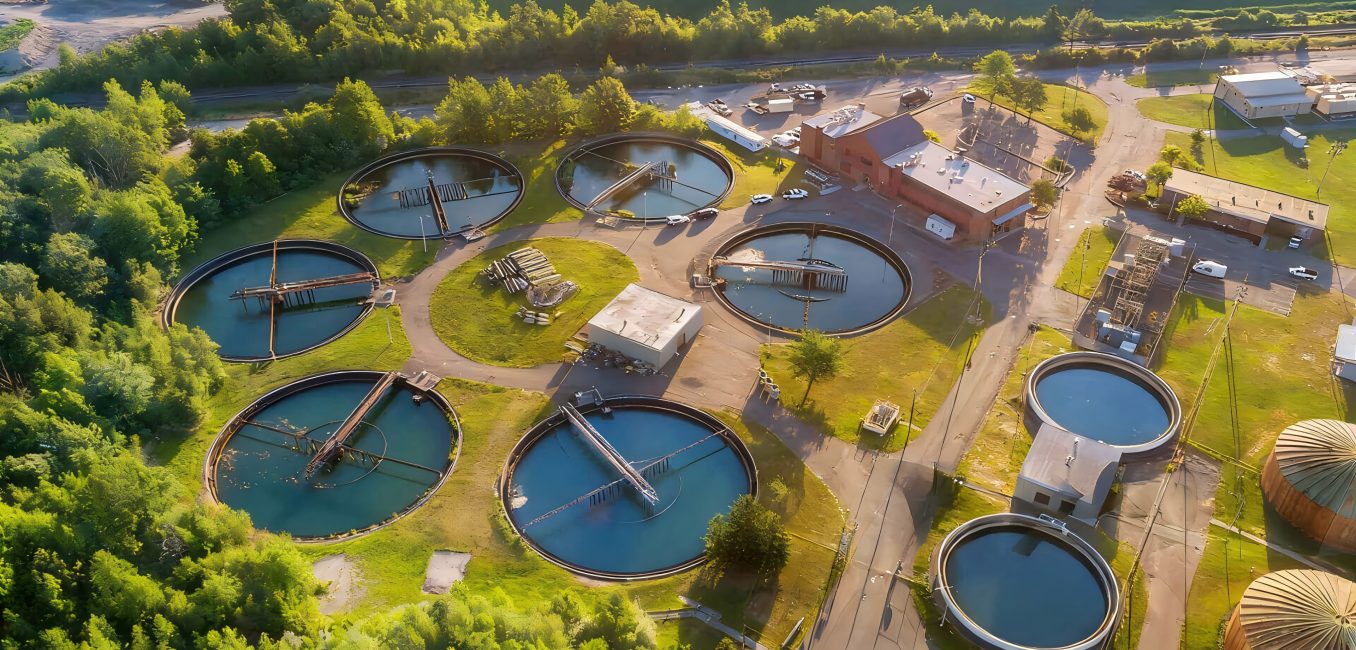
From environmental protection and safety policies to social responsibility, we integrate sustainable practices into every aspect of our operations to build a better future for all stakeholders.
Sustainability
Join us to grow, innovate, and make a difference — where your career meets purpose.
Contact Us